
SYNOPSIS
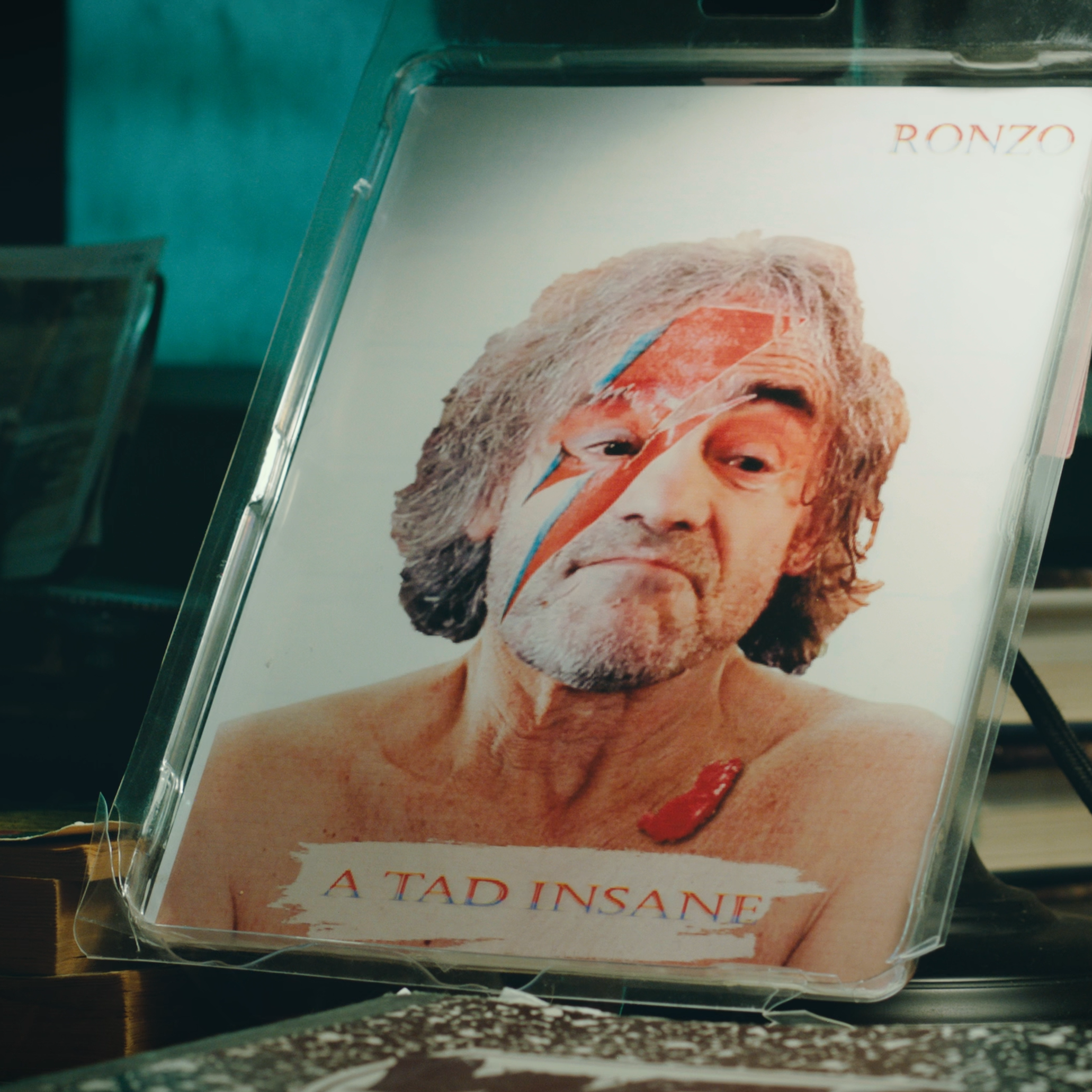
When Ron Shapiro—known to everyone as Ronzo—arrived in Oxford, Mississippi, it was a quiet college town defined by the towering literary legacy of William Faulkner, with little in the way of a living arts scene. He changed that by creating the Hoka Theater—an arthouse cinema, music venue, and café that became the beating heart of Oxford’s creative underground.
Through eclectic films, poetry readings, live performances, and an open-door spirit, the Hoka grew into a cultural phenomenon. Writers Willie Morris, Barry Hannah, and Larry Brown were regulars, while Bobby Rush brought down the house onstage. The North Mississippi Allstars performed there early in their career, and future members of Wilco and Widespread Panic found some of their earliest creative footing in the Hoka’s orbit.
Students, locals, writers, and musicians all shared the same room and joined the same conversation. Nobody had to explain themselves. Everyone belonged.
More than a curator, Ronzo was a catalyst—a witty, unpredictable, and deeply empathetic presence who saw possibility in people before they saw it in themselves. A Vietnam veteran, political gadfly, literary chauffeur, and self-appointed cultural ambassador, he helped transform Oxford into an unlikely creative crossroads.
Ronzo is a funny, tender, and unexpectedly moving portrait of an accidental muse—and a testament to what one person’s openness can do for a community. Oxford has changed since Ronzo’s time, making his spirit feel more vital than ever. Each year, Hoka Days culminates in a joyful second-line parade around the Square—proof that what Ronzo built still has a pulse.